

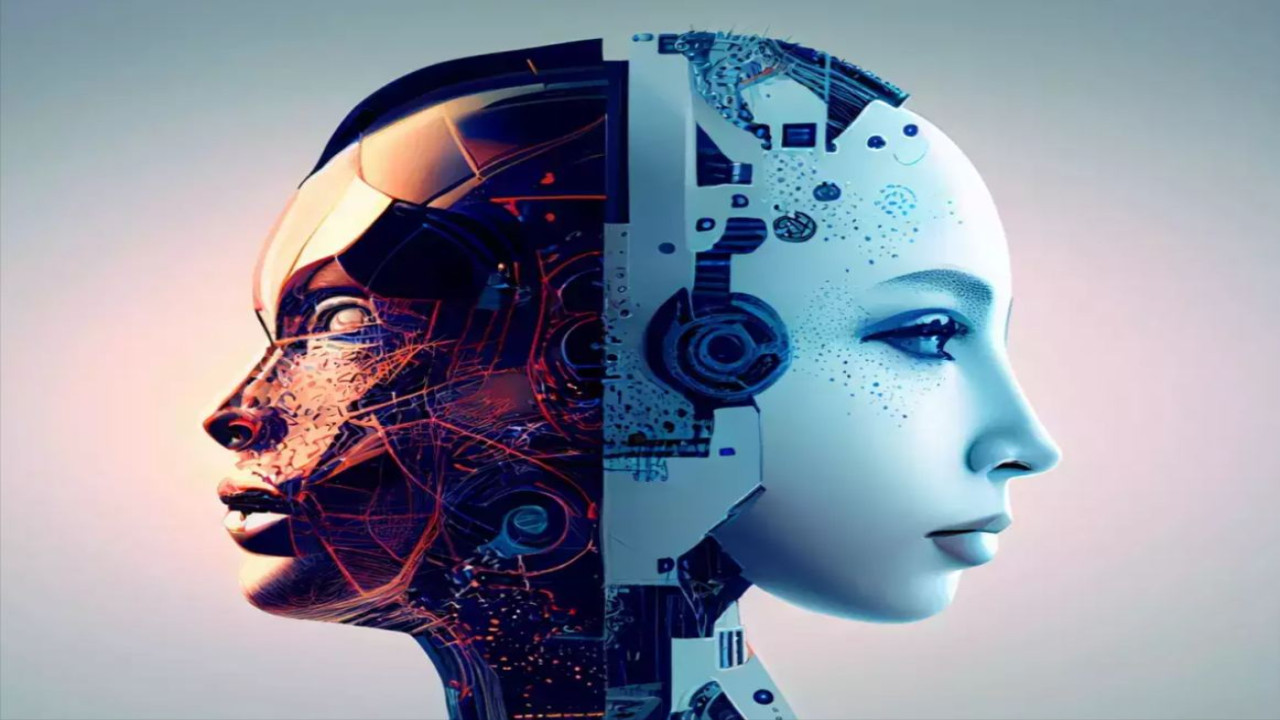
From Concept to Creation: Visualizing Ideas with AI
In an era defined by rapid technological advancements, artificial intelligence (AI) has emerged as a transformative force across various industries. One of the most fascinating applications of AI is its ability to visualize concepts and ideas, turning abstract thoughts into tangible images. This article explores the journey from concept to creation, showcasing how AI is revolutionizing the way we conceptualize, design, and produce visual content.
1. Understanding the Concept of Visualization
Visualization is the process of representing ideas, concepts, or data through visual means. It is a critical component of communication, enabling individuals and organizations to convey complex information effectively. In creative fields, visualization plays a crucial role in transforming thoughts into visual narratives that resonate with audiences.
Importance of Visualization:
- Enhanced Comprehension: Visual representations help clarify complex ideas, making them easier to understand and remember.
- Effective Communication: Images can communicate emotions and concepts more powerfully than words alone, bridging language barriers.
- Inspiration and Innovation: Visualizing ideas encourages creative thinking and exploration, paving the way for innovation.
With the advent of AI technology, the process of visualization has been significantly streamlined, allowing creators to bring their concepts to life with unprecedented ease and efficiency.
2. The Role of AI in Visualization
AI-powered tools are changing the landscape of visualization by providing sophisticated algorithms capable of interpreting text prompts and generating high-quality images. This technology simplifies the creative process, allowing users to focus on their ideas while the AI handles the visual output.
How AI Visualizes Ideas:
- Text-to-Image Generation: Tools like artaihub utilize advanced machine learning algorithms to convert written prompts into images. Users can describe their ideas using keywords or phrases, and the AI generates corresponding visuals.
- Style Adaptation: AI can adapt various artistic styles, enabling users to visualize their concepts in different formats, such as realistic images, abstract art, or illustrations.
- Rapid Prototyping: AI allows for quick iterations and adjustments, making it easy for creators to refine their concepts and explore different visual interpretations.
3. The Process: From Concept to Creation
Transforming an idea into a visual representation involves several key steps. With AI, this process becomes more accessible and efficient.
Step-by-Step Process:
Idea Generation: The first step involves brainstorming and generating ideas. Creators can use mind maps, sketches, or written descriptions to outline their concepts.
Inputting Prompts: Once the concept is defined, users input text prompts into the AI tool. This could be as simple as a single word, a phrase, or a detailed description of the desired image.
AI Processing: The AI analyzes the input and generates a visual output based on its understanding of the prompt. Advanced algorithms take into account various factors, including context, emotion, and artistic style.
Review and Refinement: After the initial image generation, users can review the output and make adjustments as needed. They may refine their prompts, modify parameters, or provide additional context to achieve the desired result.
Finalization: Once satisfied with the visual, users can finalize the image for their intended use, whether for marketing materials, presentations, social media, or other applications.
4. Applications of AI-Driven Visualization
The applications of AI in visualizing ideas are vast, impacting various sectors, including marketing, education, design, and entertainment. Here are some key areas where this technology is making a significant impact:
Marketing and Advertising
- Creating Compelling Visuals: Marketers can generate eye-catching images that resonate with their target audience, enhancing engagement and conversion rates.
- Brand Storytelling: AI-generated visuals allow brands to tell their stories more effectively, creating a deeper emotional connection with consumers.
Education
- Enhanced Learning Materials: Educators can visualize complex topics, making learning materials more engaging and accessible for students.
- Interactive Learning: AI-generated visuals can be integrated into interactive educational tools, enhancing the overall learning experience.
Design and Creative Industries
- Streamlined Design Process: Graphic designers can leverage AI to quickly prototype ideas, allowing for faster turnaround times on projects.
- Exploring New Aesthetics: AI enables designers to experiment with different styles and visual interpretations, fostering creativity and innovation.
Entertainment
- Visualizing Storyboards: Filmmakers and animators can visualize scenes and concepts quickly, facilitating collaboration between writers, directors, and visual artists.
- Character and Environment Design: Game developers can use AI to create character designs and immersive environments, enhancing the gaming experience.
5. Challenges and Considerations
While AI offers exciting opportunities for visualizing ideas, it is not without challenges. Understanding these limitations is crucial for maximizing the technology's potential.
Key Challenges:
- Quality Control: AI-generated images may not always meet the desired quality standards. Users may need to invest time in refining outputs.
- Interpretation Variability: The AI's interpretation of prompts may vary, leading to results that do not align perfectly with the user's vision. Clear and concise prompts are essential.
- Ethical Implications: The use of AI in creative fields raises questions about copyright, originality, and authorship. Creatives must navigate these ethical considerations responsibly.
6. The Future of AI in Visualization
The future of AI-driven visualization looks promising, with advancements in technology expected to enhance the capabilities of these tools further. Emerging trends include:
Future Trends:
- Increased Personalization: AI tools may become more adept at understanding individual user preferences, providing tailored visual outputs that resonate with specific audiences.
- Integration with AR and VR: The combination of AI with augmented reality (AR) and virtual reality (VR) could lead to immersive visualization experiences, allowing users to engage with their concepts in real time.
- Greater Accessibility: As AI technology continues to evolve, it is likely to become more accessible to a broader range of users, democratizing the creative process.
Conclusion
AI is revolutionizing the way we visualize ideas, transforming concepts into stunning visual narratives with remarkable speed and efficiency. By simplifying the creative process, enhancing collaboration, and fostering innovation, AI-driven visualization tools empower creators to bring their ideas to life like never before. As this technology continues to advance, it holds the potential to reshape the future of storytelling, making it more engaging, accessible, and impactful. Embracing AI in the journey from concept to creation can unlock new dimensions of creativity and communication, paving the way for a more visually rich and compelling world.
Comments (0)
No comments found