

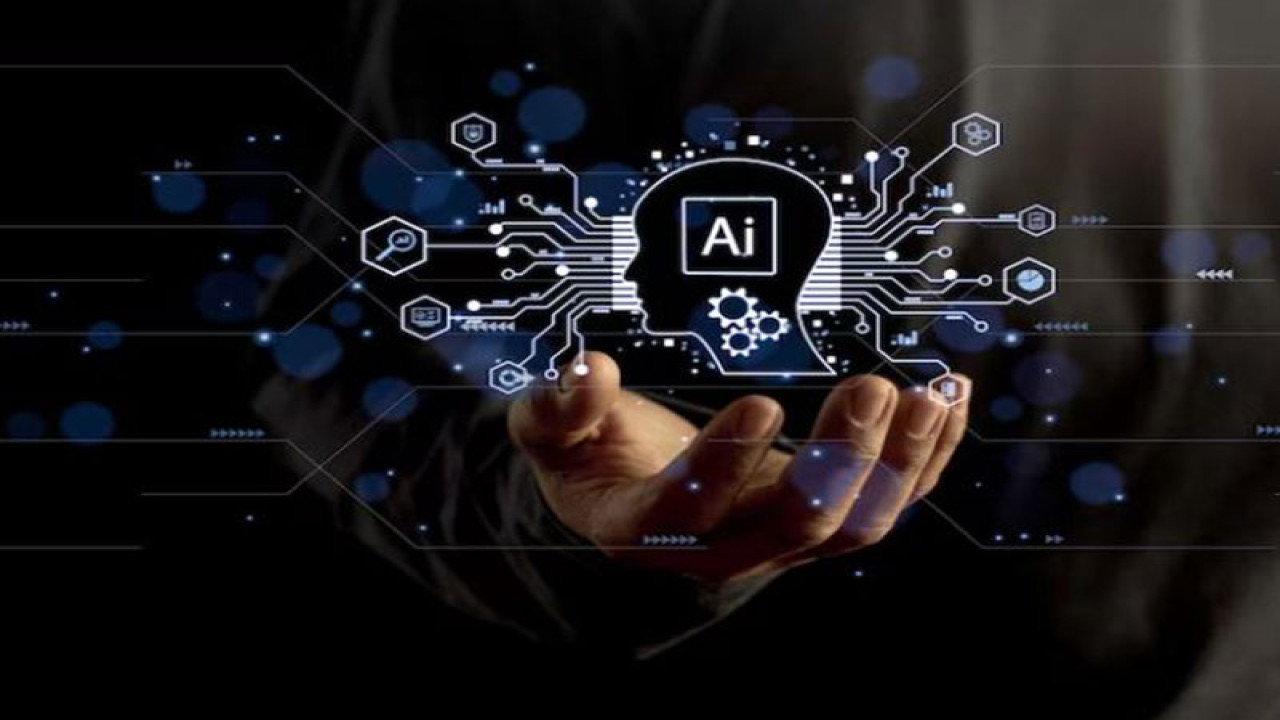
Transforming Written Ideas into Visual Stories: The Power of AI
In an age where content is consumed at lightning speed, the ability to convey ideas visually has become essential. Businesses, marketers, educators, and content creators are constantly seeking ways to capture attention and engage audiences. One of the most innovative solutions to emerge in recent years is the use of artificial intelligence (AI) to transform written ideas into compelling visual stories. This article explores how AI is revolutionizing storytelling, enhancing creativity, and reshaping communication in various domains.
1. The Importance of Visual Storytelling
Visual storytelling combines imagery with narrative to create impactful messages that resonate with audiences. Studies have shown that visuals can enhance understanding, retention, and emotional connection. In a world where people are bombarded with information, visual content stands out and can convey complex ideas quickly and effectively.
Key Benefits of Visual Storytelling:
- Enhanced Engagement: Visuals capture attention and keep audiences engaged longer than text alone.
- Improved Retention: People are more likely to remember information presented with images compared to text-only formats.
- Emotional Connection: Visuals can evoke emotions, making messages more relatable and memorable.
Given these advantages, leveraging AI to create visuals from written content offers a powerful tool for storytellers across various industries.
2. AI-Powered Image Generation: How It Works
AI image generation tools, such as artaihub, use sophisticated algorithms and machine learning techniques to create images based on text prompts. These systems analyze the input text, identify key themes and concepts, and generate visuals that align with the specified ideas. Here’s a closer look at the process:
The Image Generation Process:
- Text Analysis: The AI analyzes the written content to understand the key concepts, themes, and emotions conveyed in the text.
- Visual Synthesis: Based on the analysis, the AI generates relevant visuals, taking into account factors such as style, color, and composition.
- Output Options: Users can often specify parameters such as image size and style, allowing for customization that meets specific needs.
This process transforms abstract ideas into tangible images, making storytelling more dynamic and engaging.
3. Bridging the Gap Between Text and Image
One of the main challenges in storytelling is bridging the gap between text and image. Writers may struggle to visualize their ideas, while designers may find it challenging to interpret written content. AI image generation simplifies this by providing a seamless connection between the two.
Benefits of Bridging the Gap:
- Clearer Communication: By generating visuals directly from text, AI tools eliminate ambiguity and ensure that the intended message is conveyed effectively.
- Collaborative Opportunities: Writers and designers can work more collaboratively, with AI-generated images serving as a starting point for discussion and refinement.
- Increased Efficiency: The ability to quickly generate visuals allows creators to focus more on crafting their narratives rather than getting bogged down in the design process.
4. Enhancing Creativity and Exploration
AI image generation encourages creativity by allowing users to explore different visual interpretations of their ideas. This can be particularly beneficial in the brainstorming phase, where exploring various options can lead to unexpected and innovative concepts.
Creative Exploration with AI:
- Multiple Perspectives: Users can input various prompts to generate a range of images, enabling them to see their ideas from different angles and perspectives.
- Inspiration Generation: When faced with creative blocks, AI-generated visuals can serve as inspiration, sparking new ideas and directions for storytelling.
- Style Experimentation: Writers and creators can experiment with different artistic styles, color schemes, and compositions, enhancing their overall creative process.
5. Applications in Various Industries
The power of AI in transforming written ideas into visual stories spans across numerous industries, each benefiting from the ability to generate captivating imagery quickly.
Key Applications:
- Marketing and Advertising: Marketers can create eye-catching visuals for campaigns, social media posts, and advertisements that align with their brand messaging, improving audience engagement and conversion rates.
- Education: Educators can leverage AI-generated visuals to enhance learning materials, making complex topics more accessible and engaging for students.
- Content Creation: Bloggers, journalists, and authors can use AI to create visuals for their written content, enriching their narratives and making them more appealing to readers.
- Entertainment: In the entertainment industry, scriptwriters and directors can visualize scenes, characters, and settings, facilitating collaboration between writers and visual artists.
6. Overcoming Challenges and Considerations
While AI image generation offers numerous advantages, there are also challenges and ethical considerations to keep in mind. As with any technology, understanding its limitations is crucial.
Challenges to Consider:
- Quality Control: AI-generated images may not always meet quality standards, and users may need to refine or edit the output to align with their vision.
- Misinterpretation: AI may misinterpret text prompts, leading to visuals that do not accurately represent the intended message. Users must provide clear and concise prompts to minimize this risk.
- Ethical Concerns: The use of AI in creative fields raises questions about originality, authorship, and copyright. Creatives must navigate these issues responsibly to ensure ethical practices.
7. The Future of AI in Visual Storytelling
As AI technology continues to advance, the potential for transforming written ideas into visual stories will only grow. Future developments may lead to even more sophisticated tools that can understand context, nuance, and emotions, further enhancing storytelling capabilities.
Emerging Trends:
- Integration with Other Technologies: The combination of AI with virtual reality (VR) and augmented reality (AR) could lead to immersive storytelling experiences, where audiences engage with visual narratives in real time.
- Greater Personalization: AI tools may evolve to provide more personalized visual outputs, tailoring images based on audience preferences and behaviors.
Conclusion
The power of AI to transform written ideas into visual stories is reshaping how we communicate, create, and engage with content. By bridging the gap between text and image, enhancing creativity, and streamlining workflows, AI image generation tools are empowering writers, marketers, educators, and creators to tell their stories more effectively. As this technology continues to evolve, it holds the promise of unlocking new dimensions of creativity and enhancing our ability to connect with audiences in meaningful ways. Embracing AI in visual storytelling can pave the way for innovative narratives that resonate and inspire.
Comments (0)
No comments found