

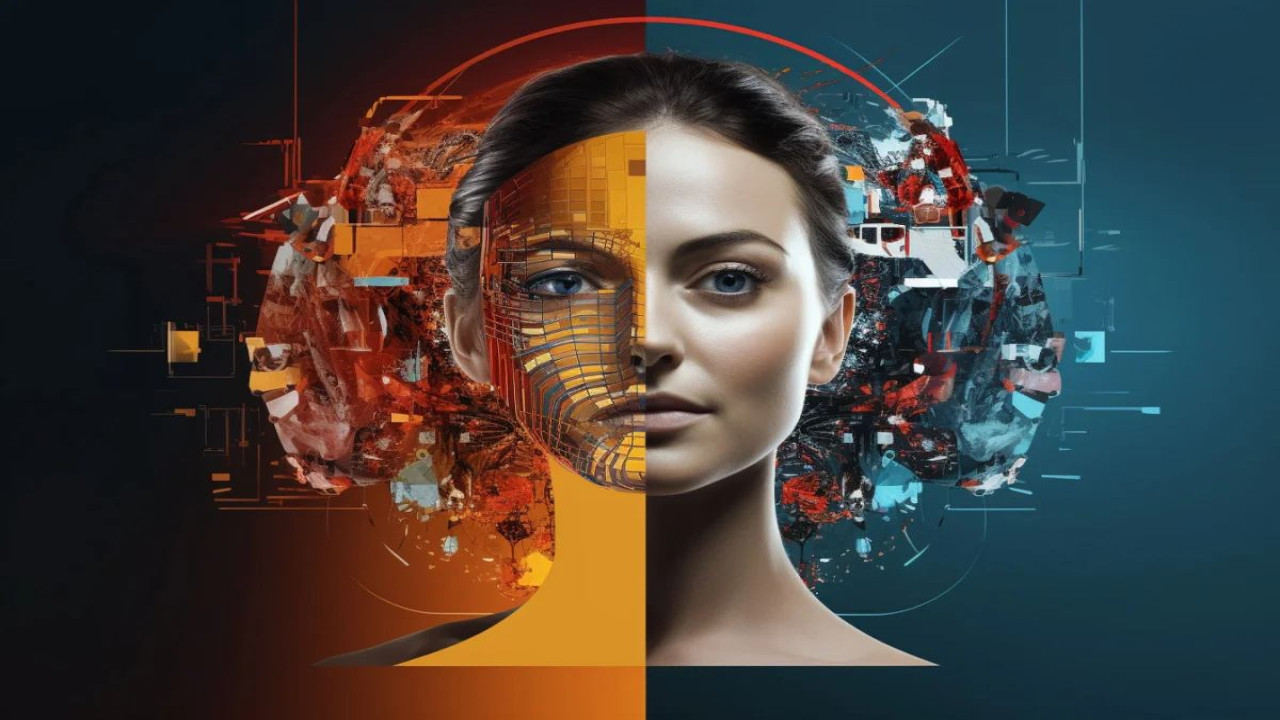
How AI Image Generation is Transforming Creative Workflows
In recent years, artificial intelligence (AI) has begun to reshape various industries, and the creative sector is no exception. Among the many advancements in AI, image generation has emerged as a groundbreaking tool that is transforming how creatives—from graphic designers and marketers to content creators and advertisers—approach their workflows. This article will explore how AI image generation is revolutionizing creative processes, enhancing efficiency, and unlocking new possibilities for visual storytelling.
1. Speeding Up the Creative Process
One of the most significant impacts of AI image generation is its ability to speed up the creative process. Traditional methods of creating visuals can be time-consuming, involving hours or even days of brainstorming, sketching, and refining designs. AI-powered tools like artaihub simplify this process, enabling users to generate high-quality images in mere seconds.
How It Works:
- Instant Visualization: Instead of spending hours conceptualizing and drafting an image, creatives can input a simple text prompt into an AI image generator and receive a visual representation of their ideas almost instantly. This allows for quicker iteration and exploration of different concepts.
- Rapid Prototyping: Designers can produce multiple image variations based on different prompts in a short period. This rapid prototyping enables teams to quickly test ideas and gather feedback, which can be invaluable in fast-paced projects.
2. Enhancing Creativity and Inspiration
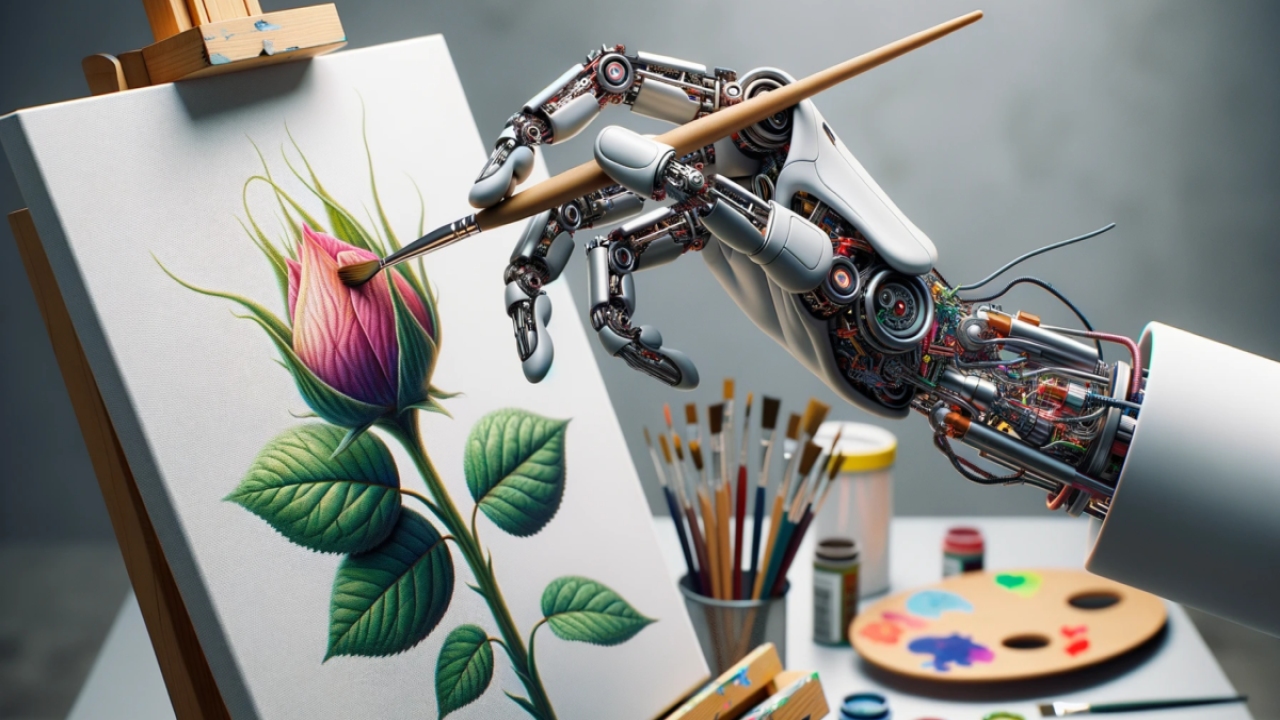
AI image generation doesn’t just make the design process faster; it also enhances creativity by serving as a source of inspiration. When creatives are faced with a blank canvas, it can be challenging to find direction. AI tools can help break through creative blocks by generating visuals based on user-defined prompts.
Benefits:
- Idea Generation: By entering various prompts, users can explore a range of styles, themes, and compositions they may not have considered. This can spark new ideas and directions for projects.
- Experimentation: Creatives can experiment with different artistic styles, color palettes, and compositions without the time investment typically required for manual creation. This freedom to explore can lead to unexpected and innovative designs.
3. Reducing Costs and Resource Allocation
Budget constraints are a common challenge for many creative projects. Hiring professional graphic designers or purchasing expensive software can quickly add up. AI image generation tools provide an affordable alternative that can reduce costs while still delivering high-quality results.
Cost-Effective Solutions:
- Lower Overhead: With AI-generated images, businesses can save on the costs associated with hiring external designers or investing in costly software licenses. This democratizes access to quality visuals, making it feasible for startups and small businesses to compete with larger companies.
- Resource Efficiency: By automating the image creation process, creative teams can allocate their resources more effectively. Designers can focus on higher-level tasks, such as strategy and creative direction, rather than spending hours on manual design work.
4. Enabling Personalized and Customized Content
In today's digital landscape, personalized content is more important than ever. Consumers are looking for unique and tailored experiences that resonate with them. AI image generation allows businesses and marketers to create personalized visuals quickly and efficiently.
How AI Helps:
- Dynamic Content Creation: With AI tools, marketers can generate visuals that cater to different audience segments, preferences, and demographics. For example, a marketing campaign can feature personalized images for various customer personas, enhancing engagement and conversion rates.
- Real-Time Adaptation: AI image generation can enable real-time adaptations of visuals based on user data and feedback. This allows brands to pivot quickly and adjust their content strategies to meet changing audience needs.
5. Streamlining Collaboration Across Teams
Collaboration is key in creative workflows, especially when multiple stakeholders are involved. AI image generation tools facilitate smoother collaboration by providing a common platform where ideas can be visualized and shared easily.
Collaborative Benefits:
- Shared Visual Language: By generating images based on prompts, teams can quickly convey their ideas and concepts without needing to rely on lengthy descriptions. This visual language fosters better understanding and alignment among team members.
- Feedback Loops: AI-generated images can be used for gathering feedback from clients or stakeholders in real time. Teams can present multiple visual options and make informed decisions based on client input, streamlining the approval process.
6. Democratizing Access to Visual Content
AI image generation tools are democratizing access to high-quality visual content. With user-friendly interfaces and straightforward prompts, individuals and businesses with little to no design experience can create stunning images tailored to their needs.
Impacts on Accessibility:
- Empowering Non-Designers: AI tools enable marketers, business owners, and content creators to produce professional-quality visuals without requiring extensive design skills. This opens up opportunities for people in various industries to enhance their projects with custom images.
- Global Reach: With AI image generation available online, creators from different regions and backgrounds can access powerful design tools. This democratization of design fosters diversity and innovation in visual content.
7. The Future of AI in Creative Workflows
As AI technology continues to evolve, the potential applications for AI image generation in creative workflows are boundless. Future advancements may lead to even more sophisticated tools capable of understanding context, emotions, and themes, further enhancing the creative process.
Emerging Trends:
- Integration with Other AI Technologies: The combination of AI image generation with other AI technologies, such as natural language processing and machine learning, could lead to even more advanced creative tools. For instance, AI could analyze current design trends and suggest visuals that align with popular styles.
- Augmented Reality (AR) and Virtual Reality (VR): The integration of AI-generated images with AR and VR experiences could revolutionize how consumers interact with brands and content, providing immersive and engaging visual experiences.
Conclusion
AI image generation is transforming creative workflows in profound ways. By speeding up the design process, enhancing creativity, reducing costs, enabling personalized content, streamlining collaboration, and democratizing access to visual content, tools like artaihub are reshaping how creatives approach their work. As AI technology continues to evolve, the future of creative design promises to be more innovative, efficient, and inclusive than ever before. Embracing these advancements can help businesses and creatives alike stay ahead of the curve in an increasingly competitive landscape.
Comments (0)
No comments found